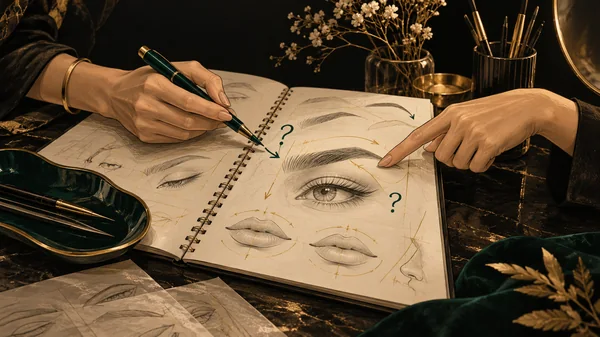


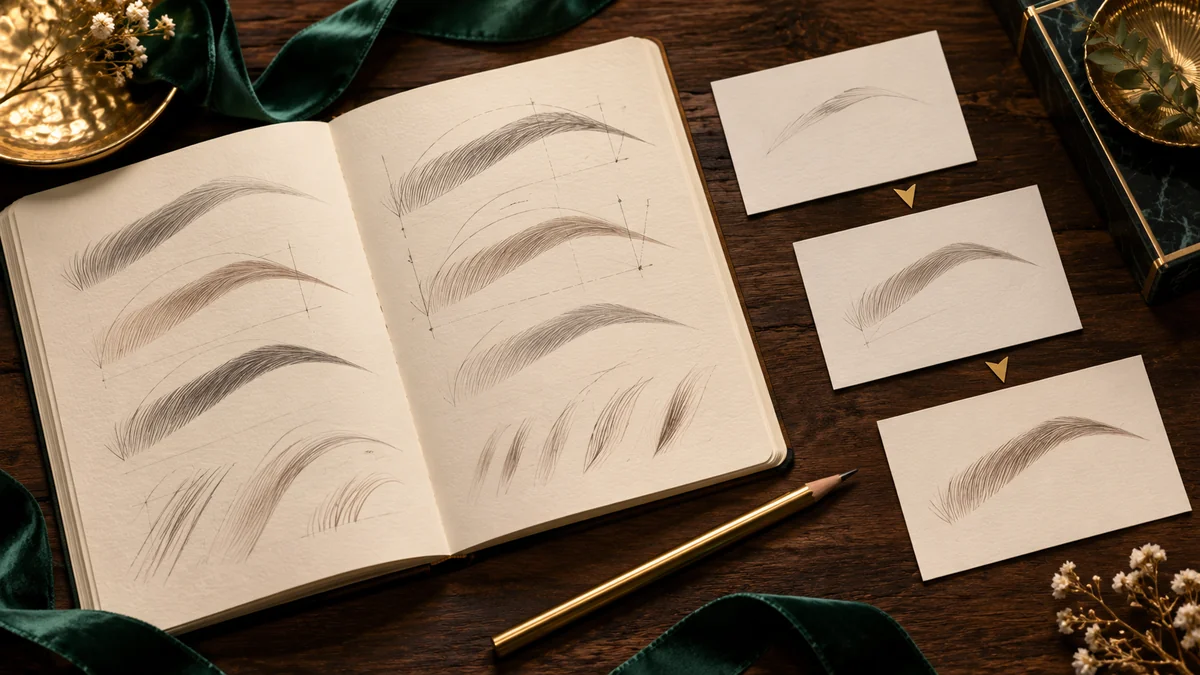
After a lesson, a notebook can fill up with advice while the next practice task remains unclear. A small, repeatable page can help you keep the useful thread: what you wanted to learn, what the tutor noticed and what you will revisit. Try the simple structure below and adapt it to the way you prefer to keep your own learning notes.
Choose one question for the page
Start with one learning goal that you can discuss afterwards. For a paper exercise, this might be describing a visible difference between two abstract pencil patterns. Avoid broad aims such as ‘become confident’. Write the exercise number and the question at the top; leave unrelated ideas on a separate list. A narrow focus makes it easier to recognise which comment actually answers your question.
Keep observation and feedback separate
Make a short note of what you noticed before adding the tutor's comment. Use separate labels, so your interpretation does not become an instruction by accident. If a phrase is unclear, ask what it refers to and repeat your understanding back. Summarise the agreed meaning in plain language. There is no need to transcribe a whole conversation or turn every remark into a rule.
Give the next step a clear finish
End with one small action and a review point. ‘Practise more’ gives you little to return to. ‘Label the area I am describing, then bring the two paper versions to the next agreed review’ is easier to follow. Keep the original alongside the revision. If you need clarification before continuing, record that question as the next step instead of guessing.
Record your learning, not a person's details
Keep this notebook free of models' names, contact details, health information, recognisable photographs and personal stories. An exercise number should identify the exercise, not secretly link to a person. If a lesson prompts a useful question, rewrite it in general terms or use an invented example. Any records required by the training provider belong in its designated process; this personal notebook is not a substitute for them.
Try a reusable paper example
Here is a fictional entry you can copy: ‘Exercise 03. Goal: describe one difference between two pencil patterns. My observation: I wrote “uneven” without identifying the area. Tutor feedback: show which part the comment refers to. Next step: mark that part on the paper and add one specific sentence. Review: leave open until discussed.’ These are sample words, not feedback from an actual lesson. At the next review, add what became clearer and what still needs a question. For an overview of study options, visit Anita Space's training page; agree your exercises and review arrangements with your tutor.