

When starting out, you want your portfolio to look convincing immediately. This creates a temptation to choose only the most striking angles, intensify colour or remove every sign of the learning process. It is more useful, however, to build a presentation people can trust. It shows the artist's actual level and helps future clients understand exactly what they are looking at.
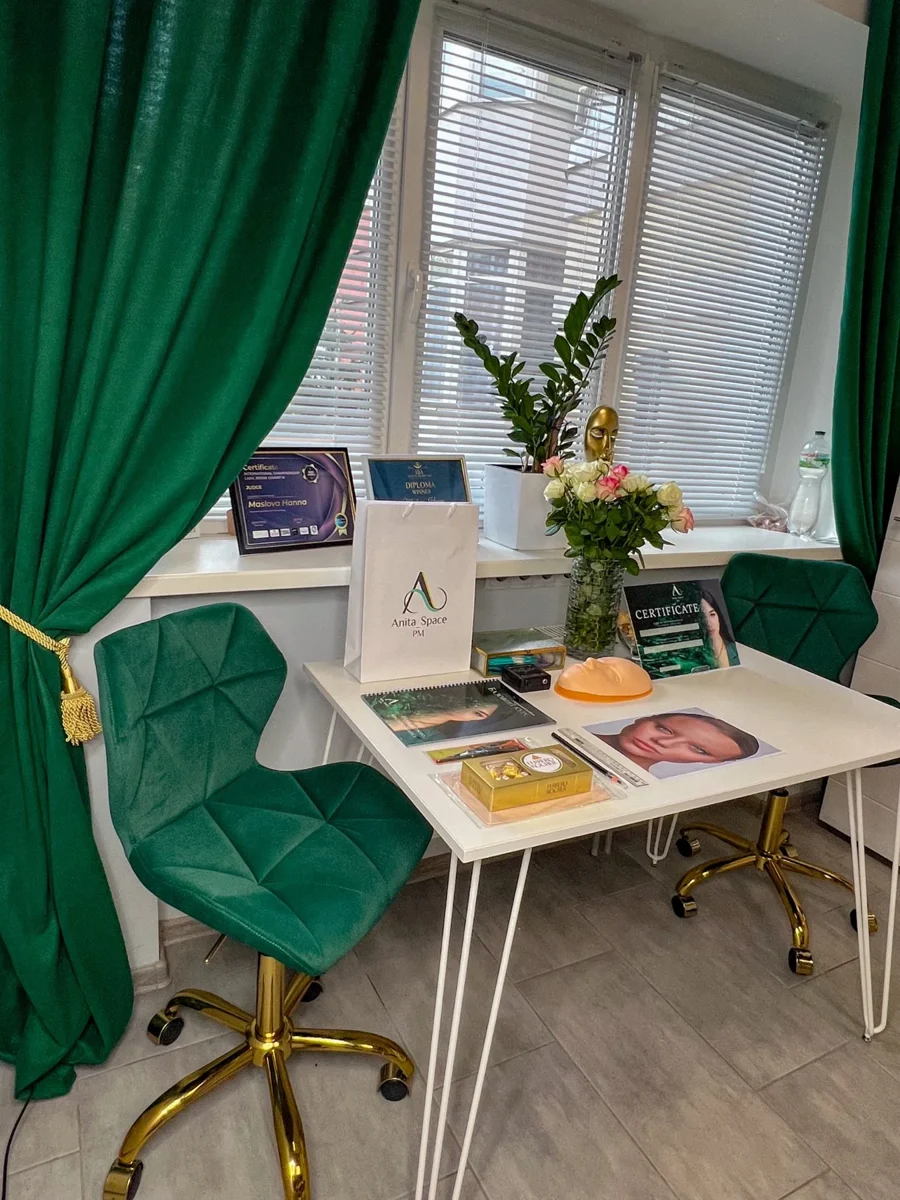
Anita Space lists portfolio creation in both FULL and Only Brows, while advanced training includes photo and video work. This is a logical part of preparation: doing the work and presenting it clearly are different skills. The second also needs thoughtful development.
Give every image context
Begin with simple captions: which area is shown, at what stage the photograph was taken and whether it was training work. If the treatment was performed under an educator's supervision, it is appropriate to say so. This information does not diminish the student's effort; it helps viewers assess the material correctly.
Do not mix your own work with your mentor's demonstrations. If publishing a training report, explain clearly who performed each particular stage and why the image is shown. Authorship should remain clear even to someone visiting your page for the first time who has not read earlier posts.
Before publishing photographs, agree with the model or client on that specific use. Consent to training photography should not be treated as automatic consent to advertising publication. Without permission, keep the material out of the public portfolio and find another way to describe the training.
Distinguish fresh results from healed ones
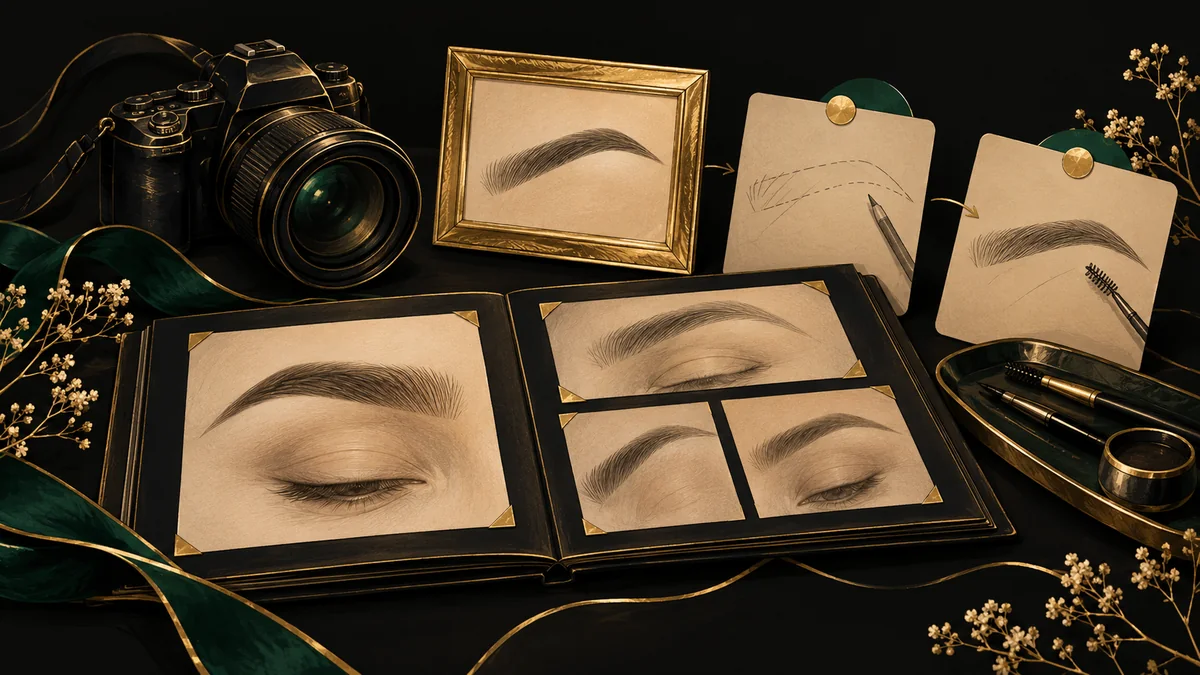
A photograph immediately after treatment shows a particular stage, not the whole story. If healed photographs can be obtained with the person's consent, they add important context to the portfolio. Label stages consistently and do not substitute one for another.
If a healed photograph is not yet available, simply state that honestly. There is no need to draw in the expected appearance, use someone else's photograph or imply that a result has already stood the test of time. A small number of clearly described works can be more useful than a large gallery without explanations.
Let photography show the work, not embellish it
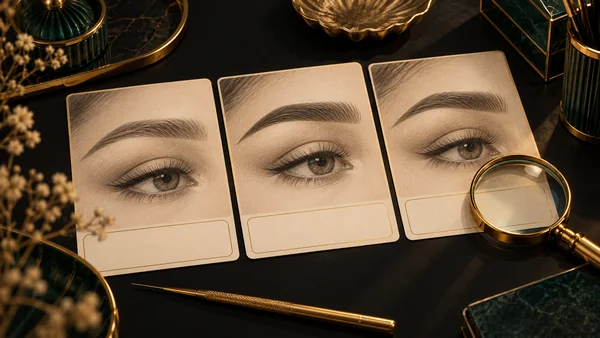
For comparison, use similar lighting, angles and scale where possible. If one image is taken from far away in shade and another very close under bright light, viewers struggle to assess the work itself. Consistent photography matters more than elaborate decorative effects.
Avoid filters that alter pigment colour, shape or skin texture. Cropping for composition and concealing irrelevant details should not create a false impression of the result. A substantially edited image is no longer suitable for an honest comparison.
Write about decisions, not invented victories
You can add a short explanation to a piece of work: the aesthetic request, what was discussed and what you focused on during training. This does not require promises of perfect symmetry, a universal result or satisfaction for every client. Specific, calm language helps demonstrate professional thinking.
Do not invent reviews, success stories, waiting lists or financial outcomes. It is normal for a portfolio to be in its early stages. You can gradually add new work and healed results while maintaining clear captions and verified authorship.
It also helps to keep private learning notes: what became clearer, which questions remain and which educator comment to consider next time. The public selection shows work to clients, while this personal archive helps the artist see development without self-deception.