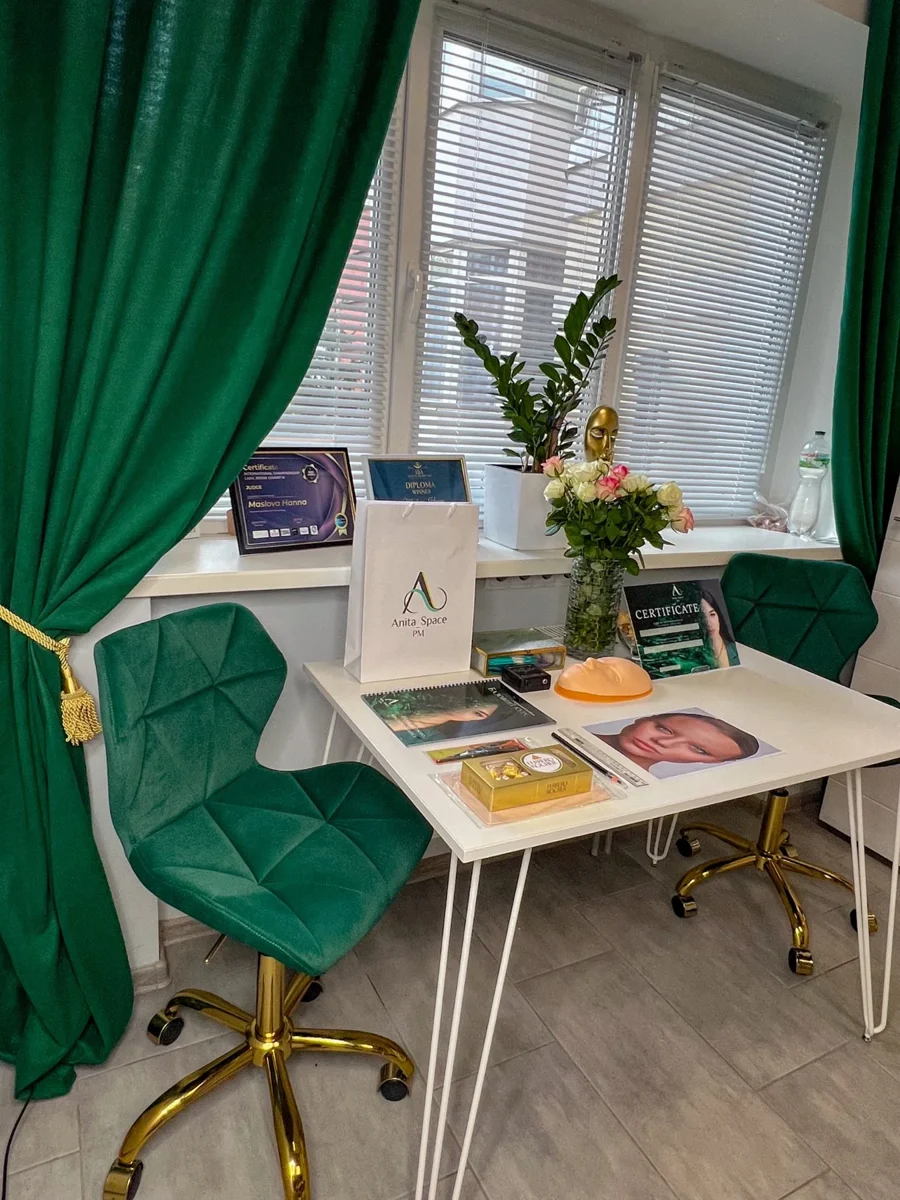



Advanced training: which questions to bring to your course
How to prepare for advanced permanent makeup training: choose practical questions, gather your own cases and benefit from reviewing them with an educator.
Read the articleAdvanced training. Exploring specific practical difficulties, colour theory and technique. Practice focused on your professional needs.
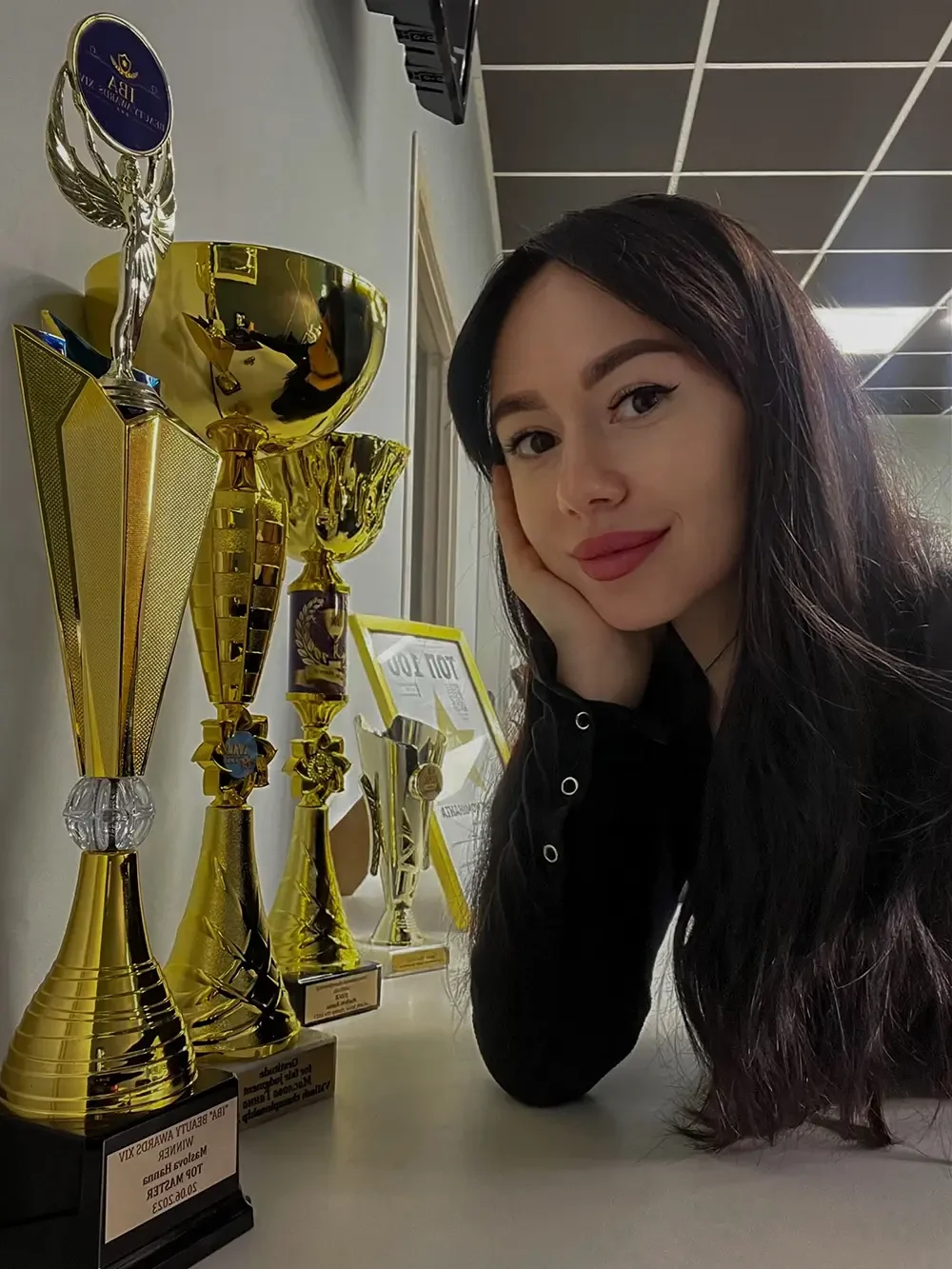
For practising artists who want to explore technical details, their own mistakes or a new approach.
Before the course, prepare examples of your work and formulate the questions you want to resolve.
Colour theory, machines, needle configurations for different areas, working patterns and design.
A demonstration and practice on one or two models according to the published programme. Hand skills and error analysis.
Photographs and videos of work, a certificate and post-training support. The current scope of support is agreed with the educator.
How to prepare for advanced permanent makeup training: choose practical questions, gather your own cases and benefit from reviewing them with an educator.
Read the article
What to discuss before practising on models: educator supervision, clear expectations, consent to photographs and respect for the person during permanent…
Read the article
How beginners can create an honest permanent makeup portfolio: captions, fresh and healed results, undistorted photographs and respect for models' consent.
Read the articleFor an experienced practitioner, it helps to break a professional learning goal down into specific skills and assessment criteria.
The educational materials draw a consistent connection between the preliminary design, tool selection and visual effect. They cover a clearly defined shape, symmetry, lighting, machine and needle work, and differences in individual clients’ starting conditions.
A particular focus is practice on latex and a gradual progression from basic techniques to more complex effects. The purpose of practice is not just to repeat what is demonstrated, but to explain your own choices and evaluate your work. Confirm the current content of a specific course, its practice format and organisational arrangements before enrolling.
Show several examples of your work and specify what you want to explore: symmetry, lighting, distribution of intensity or the reasoning behind material selection. Ask how the instructor provides feedback and how practical work will be assessed. Archival examples help identify a topic, but do not establish the current syllabus.
Topics are drawn from the educational archive and a published advanced-training programme. No new dates, number of models, diplomas, employment or income are promised.
Discuss your needsWe will discuss your wishes, answer your questions and identify an appropriate next step. Without rushing or ready-made templates.