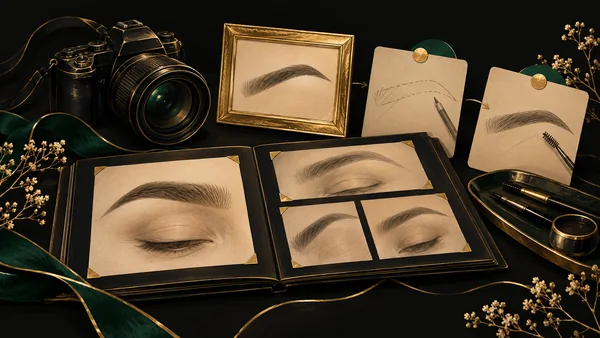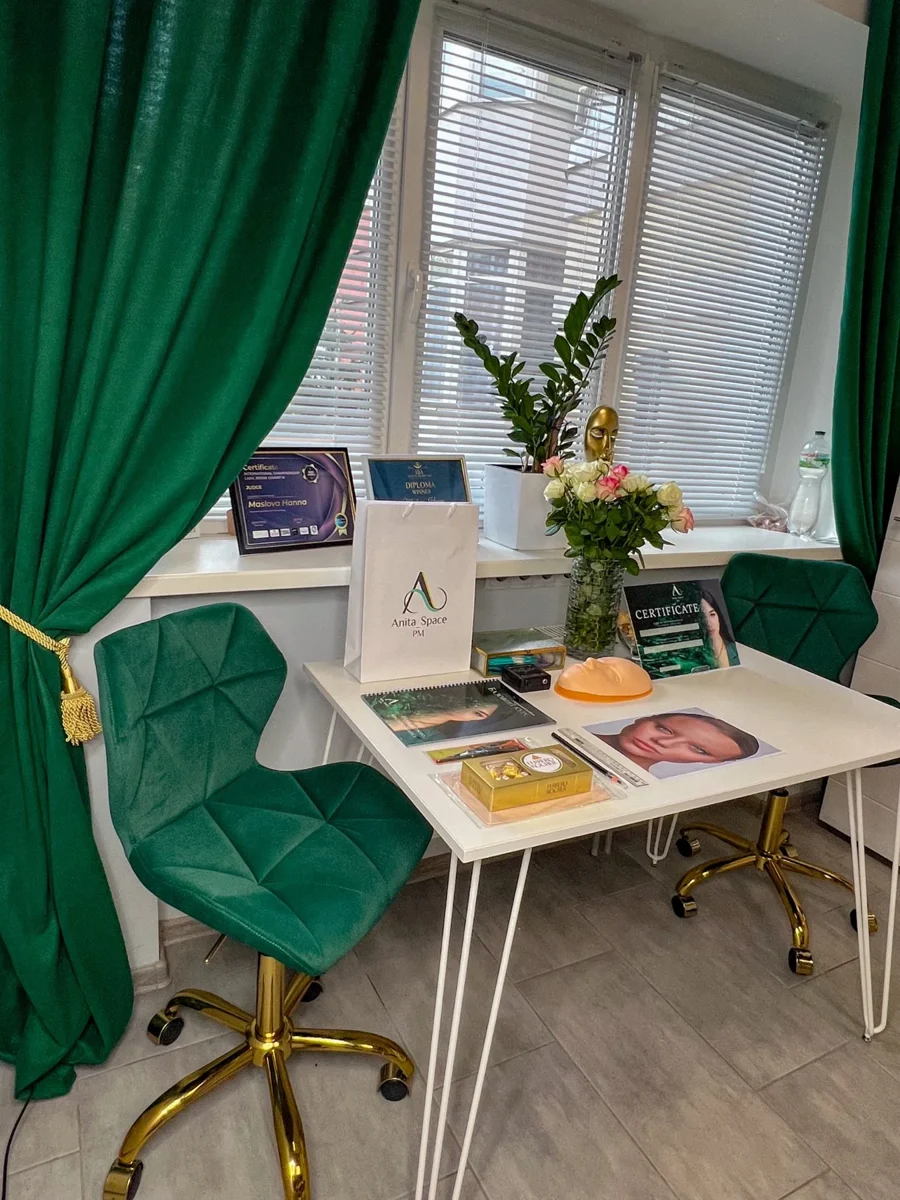



For a student, practice on a model is often the most nerve-racking part of training. For the model, it is a personal experience involving appearance, trust and expectations. Well-organised training considers both sides. A person should not feel like merely a practice material or a photograph for a future portfolio.
In Anita Space programmes, work on models is combined with educator demonstrations. FULL lists practical modules for several areas; Only Brows specifies three individual models; advanced training lists one or two models and a demonstration. Clarify the exact participation arrangements for the chosen course.
Conversation should come before the treatment
The model should understand in advance that a student will perform the work in a training setting. Before starting, explain who supervises, how questions can be asked and whom to approach if something is concerning. Transparency helps the person make an informed decision about taking part.
Aesthetic expectations deserve separate attention. What result does the person want? What do they like about their appearance? What do they definitely not want? Answers should not be guessed from a photograph or replaced by the training exercise. The planned lesson topic should match the model's actual request.
Agreeing on the design also needs time for explanation. The Anita Space blog emphasises self-checking and discussing the result with the client. For students, this is a reminder that professional communication is part of learning, not a pause before the “real” work.
Supervision means being able to ask for help
Before practice, students should understand their role and the limits of their independence. When should they turn to the educator? How can they obtain an explanation? What happens if the model's request falls outside the exercise? Discuss these questions in advance rather than leaving them until a moment of uncertainty.
Being able to stop and ask for help is an important learning skill. A wish to demonstrate confidence should not outweigh attentiveness to the person. The model, in turn, should feel that their questions are appropriate and do not interfere with the lesson.
Useful feedback focuses on decisions and ways to improve them. Publicly belittling a student or discussing a model's appearance disrespectfully does not help learning. Calm communication creates more room for precise questions and an honest acknowledgement of difficulties.
Photographs need a separate agreement
Taking part in a training treatment and publishing images are different matters. Before photography, explain why images are needed, whether they will appear in a portfolio or on social media and whether the person will be recognisable. Silence should not be interpreted as willingness to accept any use of an image.
Declining publication should not lead to pressure or bargaining. If material is needed only for a private training review, discuss that clearly too. A clear agreement reduces the risk of unpleasant surprises after the lesson.
Learning continues after the work is finished
The model needs clear recommendations from the responsible practitioner and a contact for further questions. The student benefits from reviewing not just the photograph but the whole experience: did they hear the request, explain decisions, ask for help in time and avoid creating unrealistic expectations?
This attention helps build a professional attitude from the first practice session. Respect for the person should remain constant, whether the work takes place in a training setting or later independent practice.