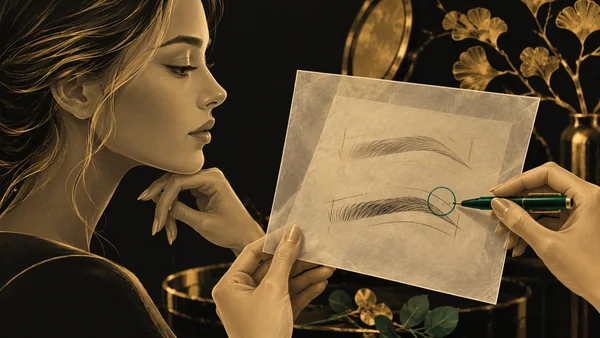


Understanding the result you want from permanent makeup can be harder than choosing the treatment area. Words such as “natural”, “neat” or “a little brighter” are familiar to everyone, but each person gives them a different meaning. The first consultation helps turn a general wish into specific reference points. You do not need professional terminology or a ready-made decision.
Start with your usual look
Describe how you usually apply makeup. Do you define your brows every day, which product do you use, do you like a noticeable lip outline, and do you draw winged eyeliner? Your everyday look matters, not just makeup for a special occasion. If you wear very little makeup on weekdays but choose strong accents for celebrations, explain that too.
It helps to name one main goal. For example, you might want to define your brow shape, add colour to your lips or subtly enhance your lash line. If you have many wishes, try ranking them by importance. This makes it easier to see which result will truly feel like yours and which simply appealed to you in someone else's photograph.
Show examples and explain the details
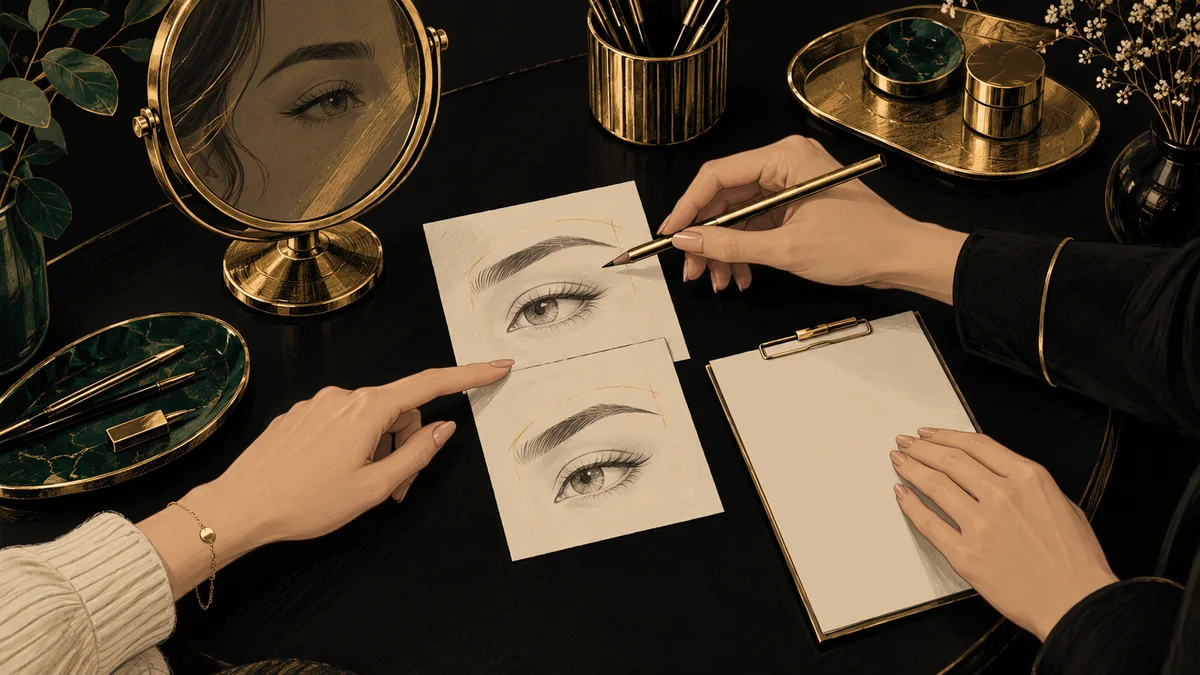
Choose a few images that reflect your taste. Add a simple explanation to each: you like the soft start of the brow, the muted lip intensity or the absence of a noticeable eyeliner wing. You can also show an example that feels too bright or graphic. Such comparisons are often more precise than a dozen similar references.
Do not treat a photograph as a blueprint to copy. Lighting, cosmetics, image processing and facial features affect the impression. It is better to use an example to discuss the character of the work, then assess shape and colour in relation to your own appearance. If possible, also show a photograph of yourself wearing everyday makeup you like.
Say what you do not want
Boundaries matter as much as wishes. “I do not want broad brows”, “I am not used to seeing strong lip colour without lipstick” and “I do not want my eyes to look permanently made up” are valid reference points. You do not need to soften your words or agree to a popular technique if its visual effect does not appeal to you.
Ask which parts of the idea can be achieved and which need changing. If the artist proposes another option, ask for the reason in clear language. You can discuss two alternatives and compare specific features: width, intensity, soft edges or the prominence of the accent. The answer should help you choose, not merely remember a technique's name.
Summarise what you have agreed
Before moving to the next stage, express the outcome of the conversation in one sentence. For example: I want softly defined brows without a sharp start, with a shape close to my usual one. Then clarify exactly what the design will show and which questions remain open. If the answers do not form a clear picture, it is entirely appropriate to continue the discussion.
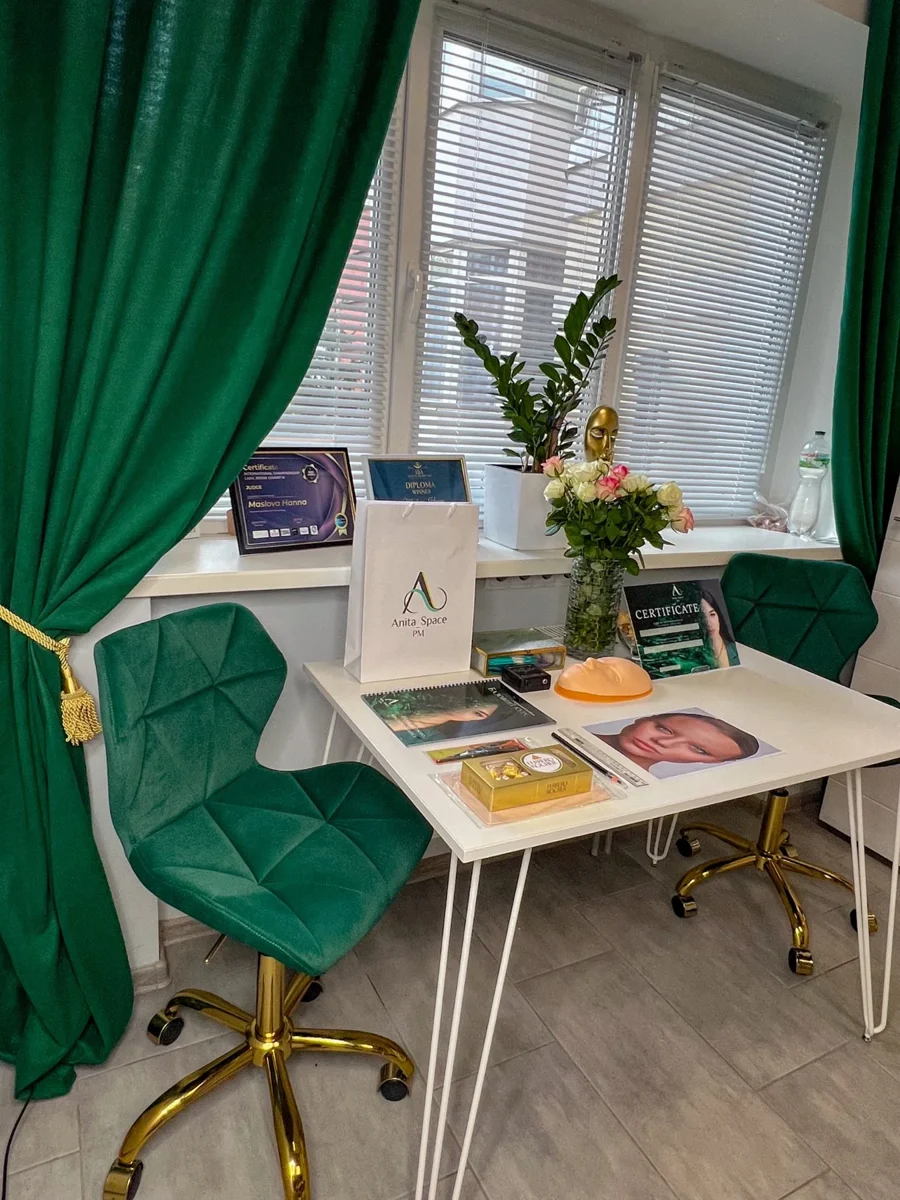
On the website Anita Space you can explore the main areas of permanent makeup and get your bearings before the conversation. You do not have to choose a final technique by name in advance. It is much more useful to bring your own wishes, examples and questions. These are what make a discussion of your future look concrete and free of unnecessary expectations.