

Choosing a permanent makeup artist often begins with photographs, recommendations and certificates. All help form a first impression, but the decision is best made after a meaningful consultation. Understand how the practitioner handles your request, explains limitations and answers safety questions. You are choosing not only an image but also the conditions of the treatment.
Look at the process, not just the interior
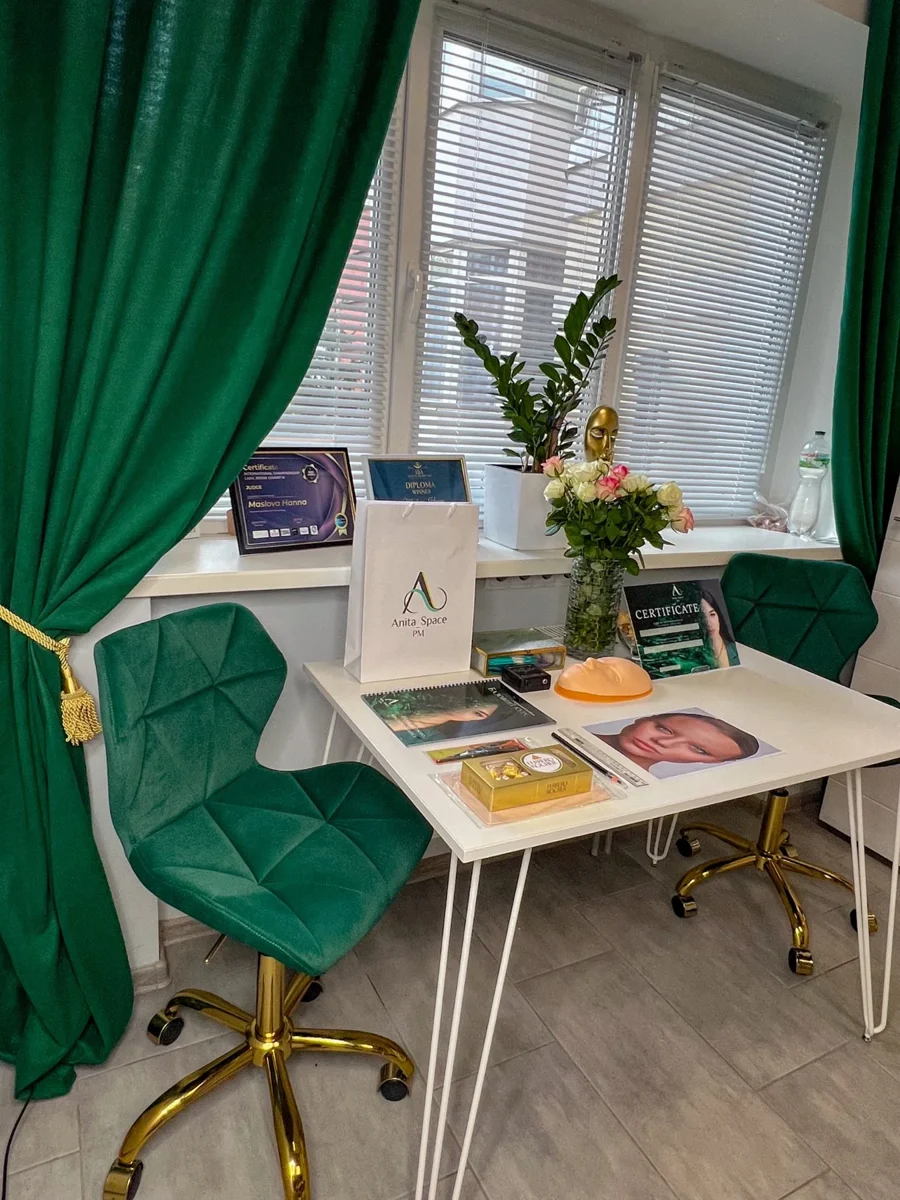
A tidy space is pleasant, but it does not tell you everything about hygiene. Ask about sterile single-use needles, work-surface preparation, glove changes and handling used materials. The answer should be specific and understandable to a client, without requiring you to “just trust”.
Official NSW Health tattooing guidance includes sterile instruments that penetrate the skin, single-use needles, hand hygiene and opening sterile packaging immediately before use. These are useful reference points for discussing infection control, not a claim that Australian legislation applies in Ukraine.
Find out which materials will be used
Ask for the names of the pigment and supporting products and an explanation of how their details are recorded. A brand name alone does not eliminate risk. The FDA notes that contaminated inks can cause infections even when hygienic procedures are followed. Material quality and cleanliness of practice therefore need to be considered together.
If you have known allergies or previous reactions, disclose them before the procedure. You should not be persuaded that a particular word on the packaging automatically removes all risk. A responsible consultation leaves room for further medical assessment when needed.
Ask for an explanation of the proposed result
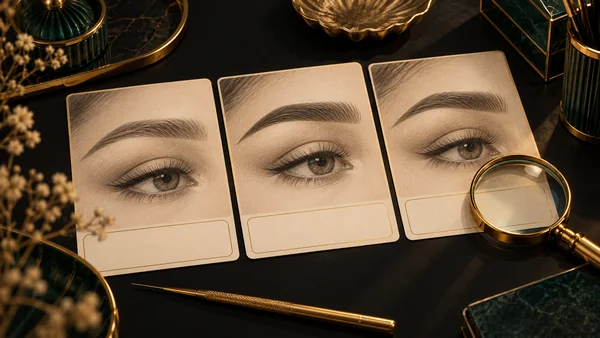
The artist should help you understand the difference between a reference and a plan for your own appearance. View healed work, clarify the stage shown in each photograph and discuss shape and the limits of your desired definition. Do not hesitate to say that a design feels too bold or that you need more time to decide.
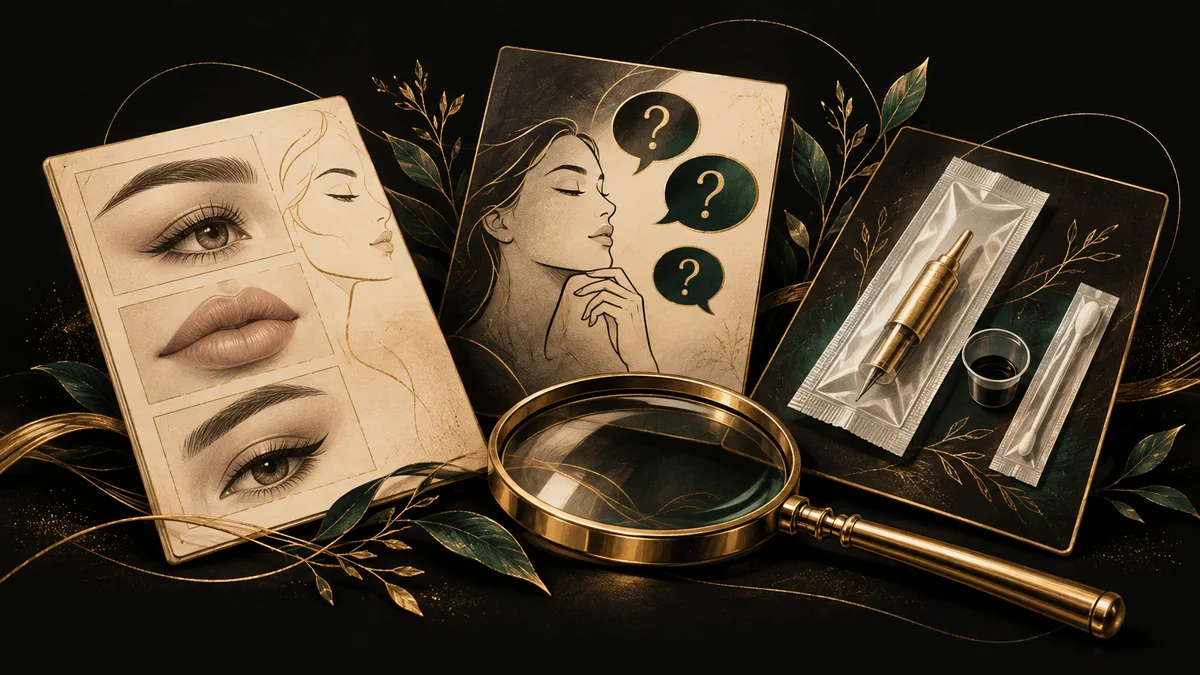
A useful question is: “Why are you suggesting this particular option?” The answer should relate to your request, not just fashion or a popular technique. The ability to discuss disagreement calmly often reveals more than a lengthy presentation of achievements.
Understand consent and terms
Before work begins, you should understand the nature of the procedure, possible adverse reactions, aftercare, limitations of the result and the plan for further assessment. Do not sign text you have not had time to read. Clarify the full price, touch-up terms, rescheduling rules and use of your photographs separately.
Consent to the procedure and permission to publish images need separate discussion. You may want permanent makeup but not want your face in advertising. You can also finish a consultation without booking if information is still insufficient or you feel pressured.
When comparing several practitioners, ask the same basic questions. You will then assess the substance of their answers rather than a confident voice or page design. Note what needs further clarification instead of deciding hastily at the first contact.
The role of training and awards
Education, professional involvement and recognition can add to the picture but do not replace clear answers. Check exactly what a document relates to, and do not equate event participation with winning. Prepare your own short question list for a consultation at Anita Space. The most useful outcome of the first conversation is understanding the proposed plan, knowing its limits and being able to decide without rushing.