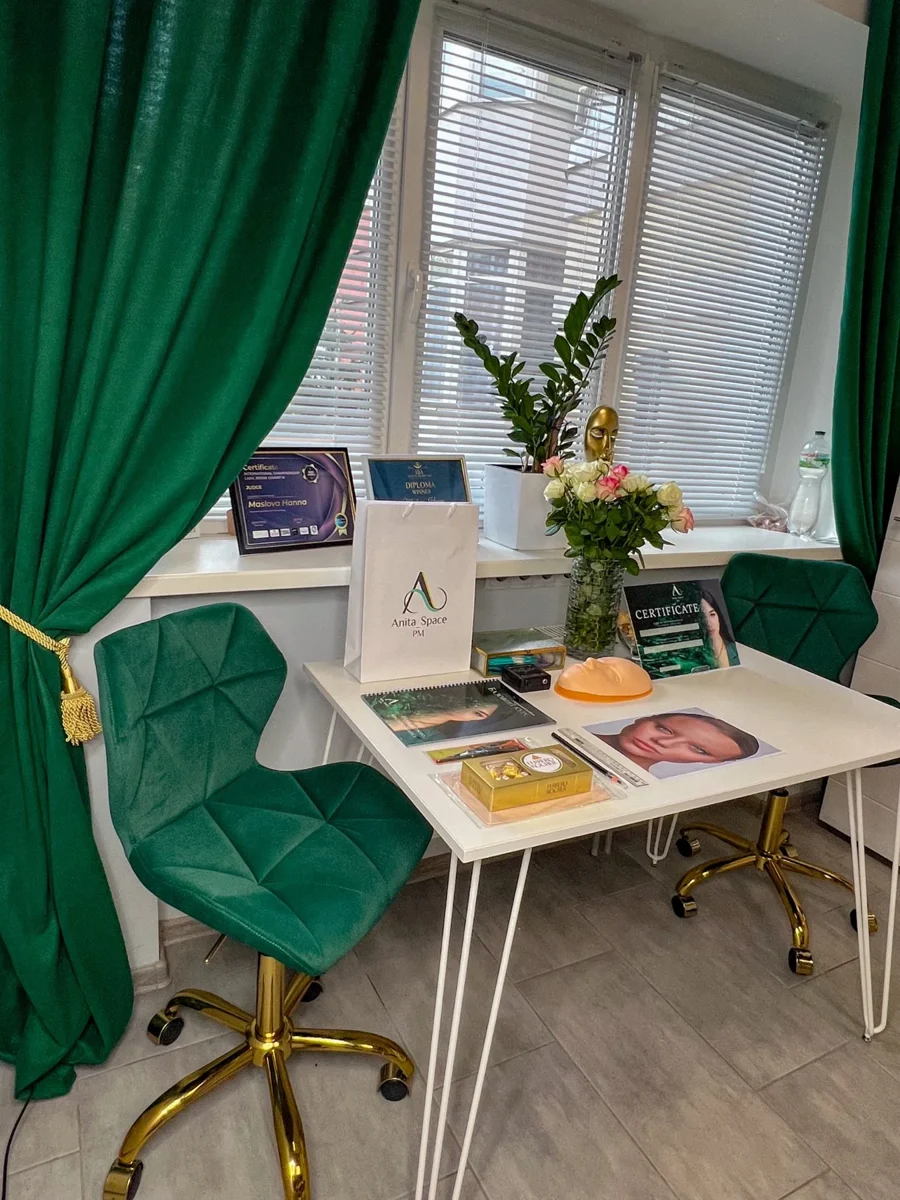



The Anita Space website identifies scar and areola camouflage as a separate area, with examples in a dedicated gallery. This distinction matters: the request differs from wanting to enhance brows or add colour to lips. A person may want less contrast, a different perception of a particular area or greater visual continuity.
Before the consultation, it helps to define your goal without the word “perfect”. What exactly would you like to change: the colour, the edges of the visible area or its appearance from a certain distance? The more precisely you describe expectations, the easier it is to understand which can be discussed in terms of pigmentation and which require a different professional explanation.
Colour and texture are different questions
Medical tattooing is used, among other things, to create the appearance of an areola and camouflage some scars, as The Christie NHS explains. Pigment work concerns a visual effect. Adding colour should not be expected to automatically remove a scar's texture or restore tissue.
This is why assessing a case should begin with its particular features rather than choosing an attractive photograph. If the area relates to surgery or treatment, discuss the procedure's suitability and timing with a doctor. A service name on a price list does not mean it suits every scar or every stage of recovery.
Assess the result in different conditions
Lighting, cameras and screens affect how colour is perceived. A gallery photograph is therefore an example, not an exact prediction for another person. Ask at which stage it was taken, whether a wider view is available and how the aim of that particular work is described.
For your own enquiry, try to identify the everyday context. Are you concerned about the appearance up close, in a mirror, in photographs or in your usual clothing? These answers do not determine the technical method, but they help avoid a conversation in which artist and client assess the result by completely different criteria.
Agreeing on expectations matters more than speed
Before deciding, ask what effect is considered possible, which limitations remain and what the procedure does not promise. For an areola, discuss the desired visual features separately. According to Guy's and St Thomas' NHS, an exact match to the desired shade is not always possible; adverse reactions can also occur, so risks need an individual explanation.
Do not hesitate to say that you dislike a particular example or to ask for time to decide. You can prepare a short list of questions: what alternatives exist, whether a doctor's assessment is needed beforehand, what follow-up will involve and whom to contact about medical symptoms.
Privacy is also part of the choice
For a sensitive area, agree in advance on the format of examination and photography. Clarify whether photographs are needed only for assessment or also for a public portfolio. If you do not want publicity, discuss this explicitly rather than leaving it to assumption.
A meaningful consultation allows different decisions: continuing the discussion, seeing a doctor, postponing the procedure or declining it. Camouflage should not impose a standard of a “correct” body. What matters is finding a clear aesthetic goal that reflects your wishes, realistic possibilities and personal comfort.