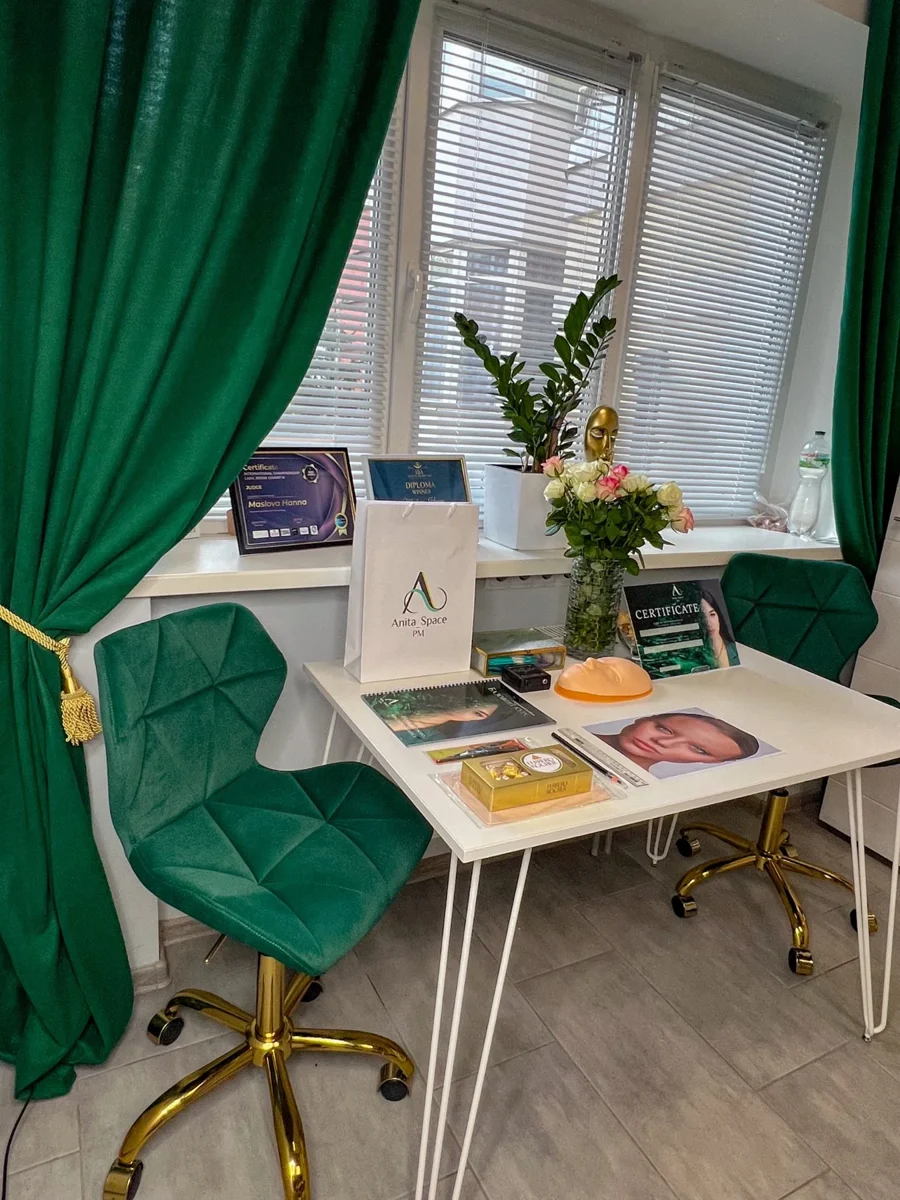



In her blog, Anna described offering artistic areola tattooing on a charitable basis for women after mastectomy. This is a distinct part of Anita Space's story that calls for a particularly sensitive conversation. What matters here is not only colour and shape, but also a person's right to decide for themselves whether they want such a change at all.
A publication about a charitable initiative is a reason to enquire. However, current terms, appointment availability and the scope of support should be clarified personally. An older post should not be taken as a guarantee of an immediate appointment or unchanged eligibility conditions.
The purpose of artistic areola tattooing
Areola micropigmentation aims to create a visual effect: reproducing the colour and appearance of the areola and nipple. It does not restore removed tissue or replace cancer treatment. NHS patient information describes it as a possible aesthetic step after reconstruction, with suitability depending on the individual medical situation.
The first question after surgery should therefore be addressed to your treatment team: can this procedure be considered now, and what circumstances need to be taken into account? An article or a result photograph cannot provide personal medical clearance. It is also important to know that choosing not to have tattooing is a valid personal decision, not an unfinished stage of recovery.
You do not need to share your story publicly to make an initial enquiry
You can begin with a short message saying you would like to learn about this service and its current arrangements. Ask how the consultation works, which information is genuinely necessary and how best to share it. There is no need to post photographs or describe your medical experience in detail in public comments straight away.
Ask separately whether photography is involved and what it is for. Consent to discuss a treatment, consent to undergo it and consent to use photographs in a portfolio mean different things. Wanting support should not make someone feel obliged to become the public subject of a story or disclose more than they are comfortable with.
What to ask about the charitable arrangements
Before booking, it helps to establish whether the initiative is currently running, exactly what support is included and whether there are any practical restrictions. If further refinement may be possible, ask how this is discussed. Clear answers are not a formality: they help you plan travel, time and your own expectations.
When discussing the visual result, you can talk about colour, placement, desired prominence and options that do not suit you. Ask to see examples with explanations, without comparing your body to someone else's “ideal”. The choice should remain yours, even if someone close to you recommends a particular solution.
It is normal to pause during this kind of consultation, write down questions and return to them later. You do not need to decide out of gratitude for a charitable offer. Support should leave room for a calm yes or no.
Anna's initiative deserves thoughtful, accurate coverage. Respect for privacy, transparent terms and an absence of pressure best convey its meaning. Your first step can be very small: find out more, ask questions and decide whether this option is appropriate for you.