


Comparing laser and remover can easily turn into a contest of short advertising phrases. One method is called universal; the other is promised as gentler. That is not enough for an informed decision. It is important to establish exactly what is proposed, why the recommendation applies to your situation and which limitations the practitioner is willing to explain without evasion.
Different approaches lie behind the names
Laser removal uses light energy to act on pigment. Chemical removal uses specific preparations rather than a laser beam. This difference alone does not determine which option is better or justify calling a procedure risk-free. FDA overview of the method, Original research on chemical removal.
The word “remover” in a service description needs clarification: which product is meant, for which area it is being considered and on what basis. The category name cannot tell you the ingredients of a specific product or whether it is suitable for you. Ask for the product's name and the available manufacturer's information.
No laser does not mean no risk
A clinical series of patients presenting with complications after removal using caustic preparations describes scarring and residual pigment. These observations do not establish complication rates for all products and clients. However, they rule out an unconditional promise that chemical removal always has no adverse consequences. Research by Hutton Carlsen and Serup.
Similarly, a claim that a method “works for every colour” should become a question about the evidence and limits of the specific proposal. Ask what is known about your previous pigment and what remains an assumption. An honest answer may include uncertainty, but it should be understandable.
Compare like with like
Write the two proposals side by side and ask the same questions about each. What is the goal: partial lightening or an attempt at removal? Who performs the assessment? What are the reasons for declining treatment? How is the result checked? What is the process for seeking help with an adverse reaction? This is more useful than comparing only the price of a single session.
Ask separately whether several methods are being proposed together. If so, request an explanation of the sequence, the reason for each stage and the circumstances in which the plan might change. Having several tools does not mean all must be used, nor does it replace a rationale.
When comparing portfolios, check whether they show the area relevant to you and whether the process in the photographs is complete. Ask which features of those cases differ from yours. Even a convincing collection of results should support the discussion rather than replace an individual explanation of the method.
What should raise concerns in an explanation
Reasons to ask more questions include a promise of the same result for everyone, no product name, a ready-made conclusion without a history of previous interventions or dismissal of any risks. There is no need to argue. Ask for a written description of the proposed approach and take time to consider it.
Notice how the option of doing nothing for now is explained too. A consultation should help you decide, not make you feel that the offer is available only today. If medical assessment is needed, obtain it separately from discussions about a future design.
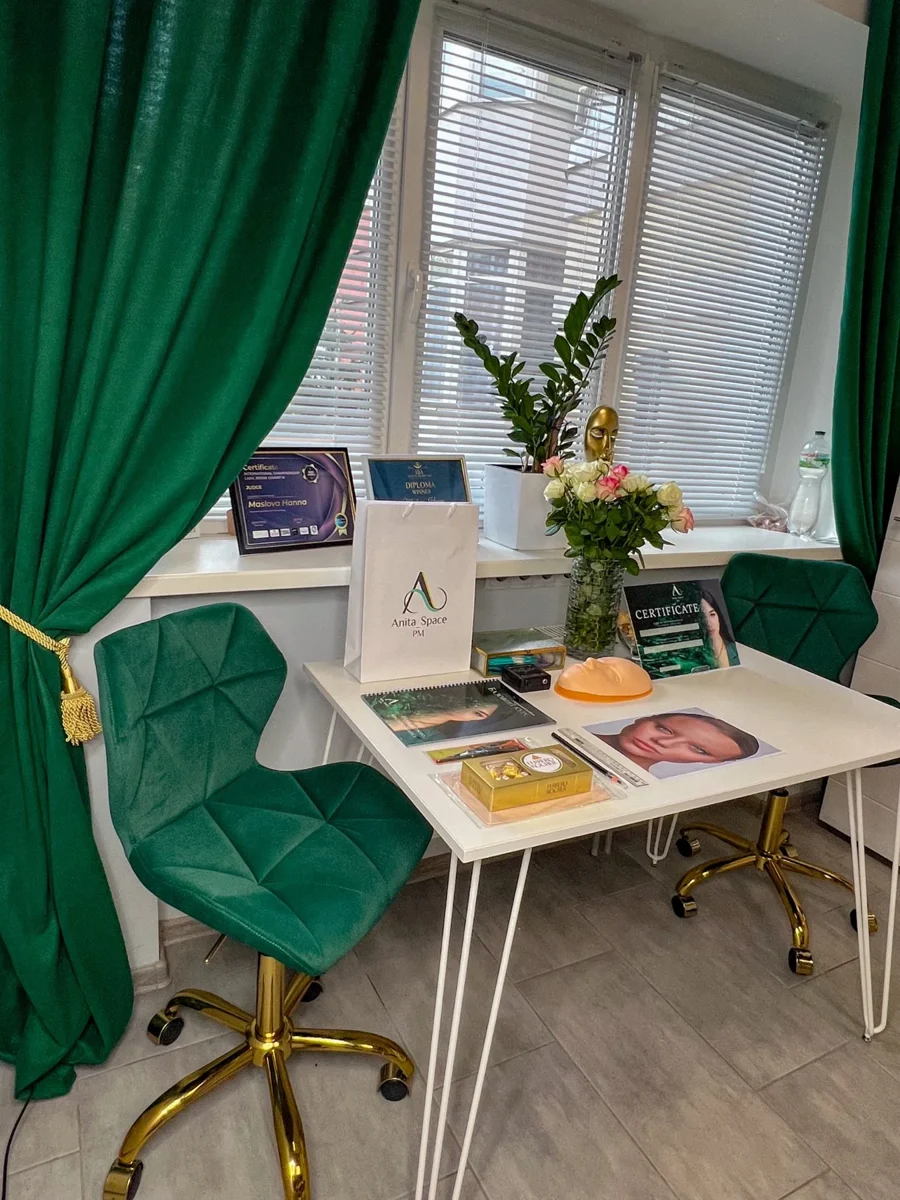
Anita Space's website lists both laser removal and remover-based removal. Before booking, clarify which options are currently available. Choose not by the name that sounds gentler, but by a clear rationale, information about risks and answers to your specific questions.